

What is the setting option for a none certified diamond?
Dec 29, 2025
Leave a message
When it comes to the world of diamonds, certified diamonds often take the spotlight. However, there's a niche yet significant market for non - certified diamonds. As a supplier of non - certified diamonds, I've had the privilege of exploring the various setting options available for these unique gemstones. In this blog, I'll delve into the different setting choices that can enhance the beauty of non - certified diamonds, and also introduce some of the products we offer.
Understanding Non - Certified Diamonds
Non - certified diamonds are diamonds that do not come with a grading report from a well - known gemological laboratory such as the Gemological Institute of America (GIA) or the International Gemological Institute (IGI). These diamonds may be overlooked by some, but they can offer excellent value for money. They are often sourced from mines and have all the natural beauty and sparkle of certified diamonds, but without the associated certification costs.
Popular Setting Options for Non - Certified Diamonds
Prong Setting
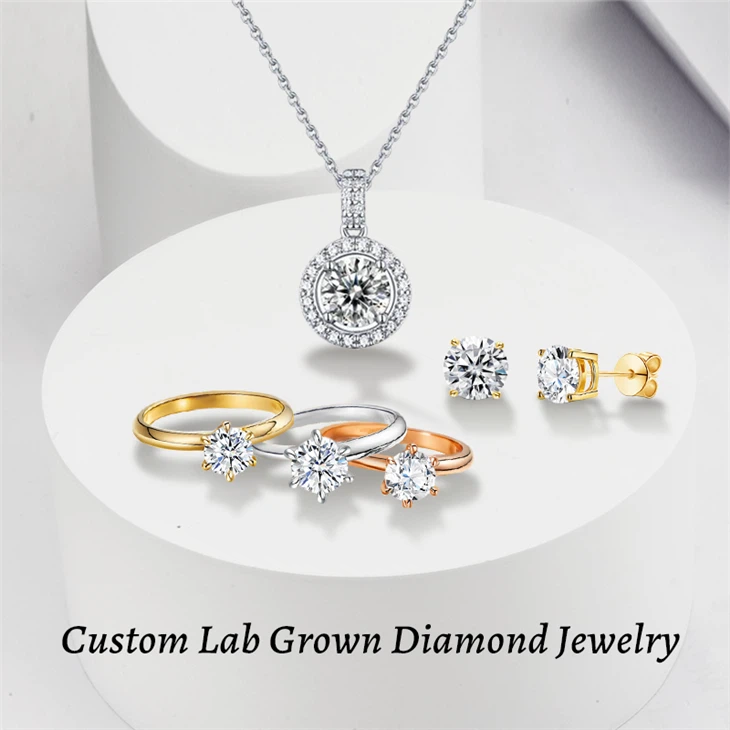
The prong setting is one of the most classic and widely used settings for diamonds. It involves using small metal prongs to hold the diamond in place. Typically, four or six prongs are used, depending on the size and shape of the diamond. This setting allows maximum light to enter the diamond from all angles, enhancing its brilliance and fire. For non - certified diamonds, a prong setting can be a great choice as it showcases the diamond's natural beauty without hiding it. The simplicity of the prong setting also makes it suitable for a variety of diamond shapes, including round, princess, and emerald cuts.
Bezel Setting
A bezel setting is another popular option. In this setting, the diamond is surrounded by a thin metal rim that holds it securely. The bezel setting offers more protection to the diamond compared to the prong setting, as it encases the diamond on all sides. This can be particularly beneficial for non - certified diamonds, as it reduces the risk of chipping or damage. Bezel settings can give a modern and sleek look to the diamond, and they work well with square or rectangular - shaped diamonds.
Pave Setting
The pave setting is a more elaborate option. It involves setting small diamonds closely together, creating a continuous surface of sparkle. Non - certified diamonds can be used in pave settings, either as the main diamond or as accent stones. The pave setting adds a luxurious and glamorous touch to the jewelry piece. However, it requires skilled craftsmanship to ensure that the diamonds are set evenly and securely.
Channel Setting
Channel settings are commonly used for bands or rings. In a channel setting, the diamonds are set in a groove between two metal walls. This setting gives a clean and streamlined look to the jewelry. Non - certified diamonds can be set in a channel, creating a beautiful and continuous line of sparkle. Channel settings are often used for eternity bands, where the diamonds run all the way around the ring.
Our Non - Certified Diamond Products
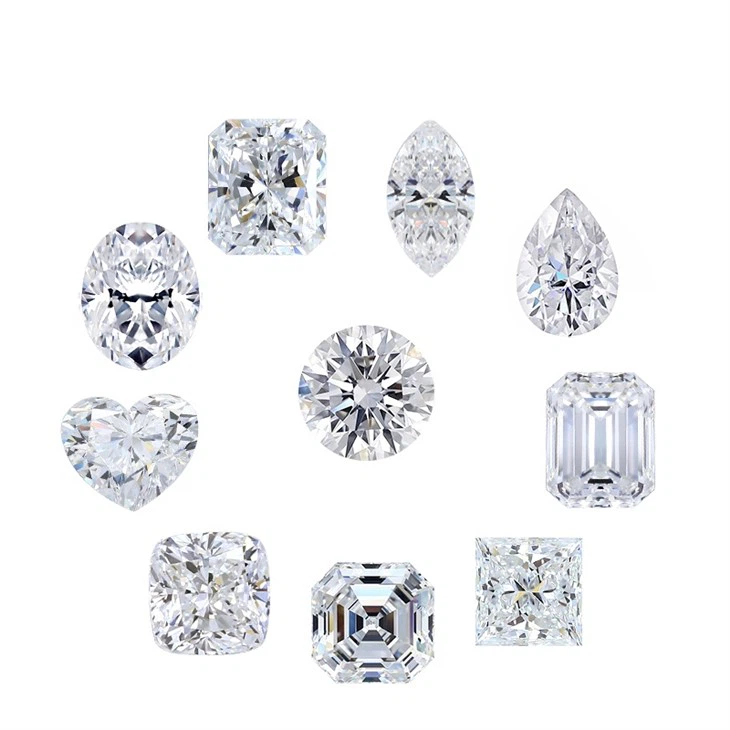
As a non - certified diamond supplier, we offer a wide range of products. You can explore our Loose Lab Diamonds collection. These loose diamonds come in various shapes, sizes, and qualities, allowing you to choose the perfect diamond for your desired setting.
Our Lab Growth Diamond selection is also worth checking out. Lab - grown diamonds are a sustainable and ethical alternative to natural diamonds. Our non - certified lab - grown diamonds have all the same physical and chemical properties as natural diamonds, and they can be set in any of the settings mentioned above.
For those looking for a specific size, our 1 Carat Diamond Lab Grown collection offers high - quality one - carat non - certified lab - grown diamonds. These diamonds are perfect for creating stunning engagement rings or other jewelry pieces.
Choosing the Right Setting for Your Non - Certified Diamond
When choosing a setting for your non - certified diamond, there are several factors to consider. Firstly, think about the shape and size of the diamond. Some settings are more suitable for certain shapes, as mentioned earlier. Secondly, consider the level of protection you need for the diamond. If you're an active person, a bezel or channel setting may be more appropriate. Finally, think about your personal style. Do you prefer a classic look or something more modern and elaborate?
The Importance of Craftsmanship
Regardless of the setting you choose, the quality of craftsmanship is crucial. A well - crafted setting can enhance the beauty of the non - certified diamond and ensure its long - term durability. At our company, we work with experienced jewelers who have a deep understanding of diamond settings. They use high - quality metals such as gold, platinum, and silver to create settings that are not only beautiful but also strong and reliable.
Contact Us for Your Non - Certified Diamond Needs
If you're interested in purchasing non - certified diamonds or have questions about the setting options, we'd love to hear from you. Our team of experts is ready to assist you in choosing the perfect diamond and setting for your jewelry piece. Whether you're a jeweler looking to source diamonds for your designs or an individual looking for a unique piece of jewelry, we can provide you with the products and advice you need.
Conclusion
Non - certified diamonds offer a world of possibilities when it comes to setting options. From classic prong settings to elaborate pave settings, there's a setting to suit every diamond and every style. As a non - certified diamond supplier, we're committed to providing high - quality diamonds and helping our customers create beautiful jewelry pieces. So, don't overlook the beauty and value of non - certified diamonds. Explore our collections and start creating your dream jewelry today.
References
- "The Diamond Book" by Martin Rapaport
- "Gemstones of the World" by Walter Schumann
- "Jewelry Design: A Complete Guide" by J. C. Bridges