

What is the clarity of moissanite in jewelry?
Aug 28, 2025
Leave a message
Hey there, jewelry lovers! As a moissanite jewelry supplier, I'm super stoked to dive into the topic of moissanite clarity in jewelry. You might be wondering, what exactly is moissanite clarity, and why does it matter when it comes to your bling? Well, stick around, and I'll break it all down for you.
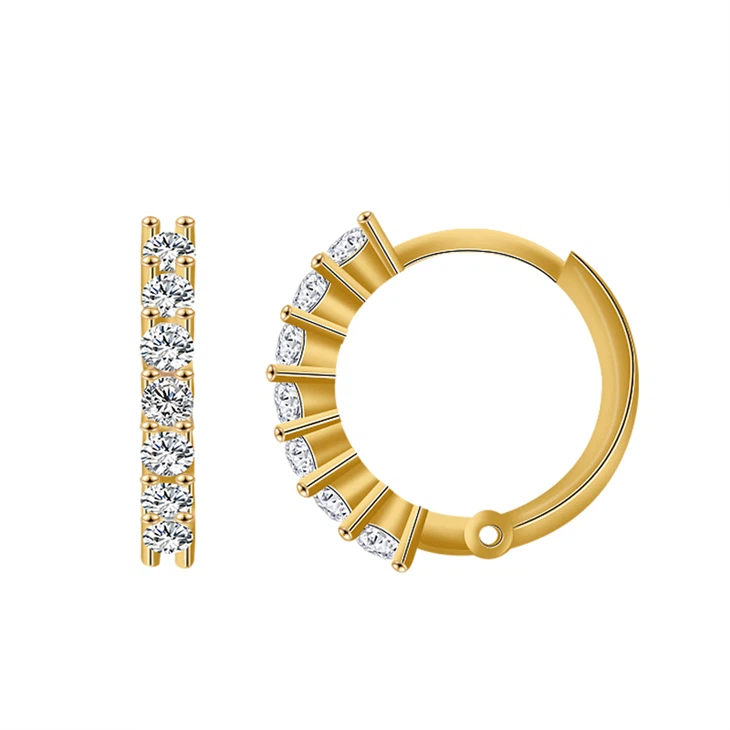
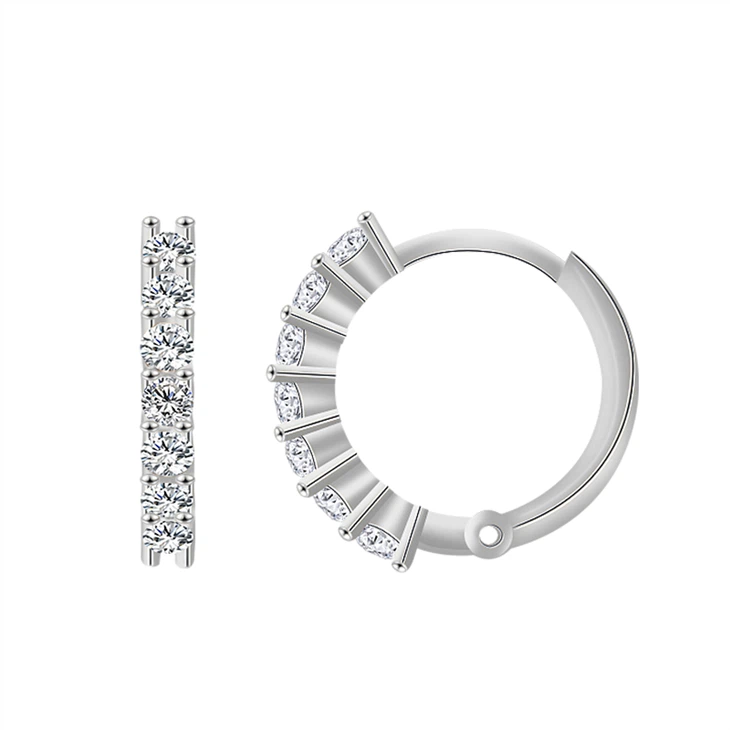
First things first, let's talk about what moissanite is. Moissanite is a stunning gemstone that looks a lot like a diamond but has its own unique properties. It's made of silicon carbide and was first discovered in a meteor crater in 1893 by a guy named Henri Moissan – hence the name. Since then, scientists have figured out how to create high - quality moissanite in a lab, making it a popular and more affordable alternative to diamonds.
Now, let's get to clarity. In the world of gemstones, clarity refers to the presence or absence of inclusions and blemishes. Inclusions are tiny imperfections inside the stone, like small crystals or air bubbles, while blemishes are flaws on the surface. Just like with diamonds, moissanite clarity is graded on a scale.
The Gemological Institute of America (GIA) doesn't grade moissanite, but there are industry standards that are similar to diamond grading. The most common clarity grades for moissanite range from FL (Flawless) to I3 (Included 3).
FL (Flawless) moissanite is as close to perfect as you can get. It has no inclusions or blemishes, even when examined under 10x magnification. This is the rarest and most expensive grade of moissanite. It's like finding a unicorn in the jewelry world! Pieces with FL moissanite, like the 18k Gold Moissanite Hoop Earring, are truly show - stoppers. The light just dances through the stone without any interruptions, creating a dazzling sparkle that's hard to beat.
Next up is the IF (Internally Flawless) grade. These stones have no inclusions, but they might have some very minor surface blemishes. You'd need a jeweler's loupe to spot them, though. IF moissanite still looks amazing and is a great choice for high - end jewelry. If you're into necklaces, check out the Moissanite Diamond Tennis Necklace with IF moissanite. The stones will line up perfectly, creating a continuous stream of brilliance around your neck.
VVS (Very, Very Slightly Included) moissanite has tiny inclusions that are extremely difficult to see under 10x magnification. There are two sub - grades: VVS1 and VVS2. VVS1 has even fewer and smaller inclusions than VVS2. These grades are a popular choice because they offer a great balance between quality and price. You get a beautiful, sparkly stone without breaking the bank.
VS (Very Slightly Included) moissanite has slightly more visible inclusions compared to VVS. But don't worry, these inclusions are still pretty small and might not be noticeable to the naked eye. VS1 has fewer and less obvious inclusions than VS2. This grade is a great option if you're looking for a more budget - friendly piece without sacrificing too much on quality. For example, the Moissanite Huggie Earrings in VS grade will still look fantastic and add a touch of elegance to your outfit.
SI (Slightly Included) moissanite has inclusions that are more visible under 10x magnification and might even be seen with the naked eye in some cases. There are SI1 and SI2 sub - grades, with SI2 having more prominent inclusions. This grade is a good choice if you're on a tight budget or if you're not too picky about minor imperfections.
Finally, I (Included) moissanite has obvious inclusions that are easily visible to the naked eye. I3 is the lowest grade, with large and numerous inclusions that can affect the stone's appearance and durability.
So, why does moissanite clarity matter? Well, for one, it affects the stone's beauty. A clearer stone will have better light performance, meaning it will sparkle more and look more brilliant. It also affects the value of the jewelry. Higher clarity grades are more rare and, therefore, more expensive.
But here's the thing: you don't always need the highest clarity grade. If you're buying a piece of jewelry that will be worn every day, like a pair of earrings or a pendant, a lower clarity grade might be just fine. The inclusions might not be noticeable when the jewelry is on, and you'll save some money. On the other hand, if you're buying a special occasion piece or something that will be passed down as an heirloom, you might want to splurge on a higher clarity grade.
As a moissanite jewelry supplier, I've seen firsthand how different clarity grades can make a difference in the final product. We work hard to source the best moissanite stones and create beautiful jewelry pieces that suit every budget and style. Whether you're looking for a simple pair of stud earrings or an elaborate engagement ring, we've got you covered.
If you're interested in purchasing moissanite jewelry, I'd love to chat with you. We can discuss your preferences, budget, and the best clarity grade for your needs. Whether you're a jewelry retailer looking to stock our products or an individual looking for that perfect piece, I'm here to help. Just reach out, and we can start the conversation.
In conclusion, moissanite clarity is an important factor to consider when buying jewelry. It affects the stone's beauty, value, and overall quality. But with so many different grades available, there's a moissanite piece out there for everyone. So, go ahead and add some moissanite sparkle to your life!
References
- "Gemstones of the World" by Walter Schumann
- Industry knowledge and experience as a moissanite jewelry supplier