

What are the safety precautions when wearing earrings?
Sep 19, 2025
Leave a message
Wearing earrings is a popular way to enhance one's appearance and express personal style. As an earring supplier, I understand the importance of not only providing beautiful and high - quality earrings but also ensuring that customers are aware of the safety precautions when wearing them. In this blog, I will share some essential safety tips to keep in mind when adorning your ears with these lovely accessories.
1. Choose the Right Material
The material of your earrings plays a crucial role in your ear health. Different people have different skin sensitivities, and wearing earrings made of the wrong material can lead to allergic reactions.
Hypoallergenic Materials
For those with sensitive skin, hypoallergenic materials are the best choice. Surgical stainless steel is a common and affordable option. It is resistant to corrosion and rarely causes allergic reactions. Titanium is another excellent hypoallergenic material. It is lightweight, strong, and biocompatible, making it suitable for even the most sensitive ears.
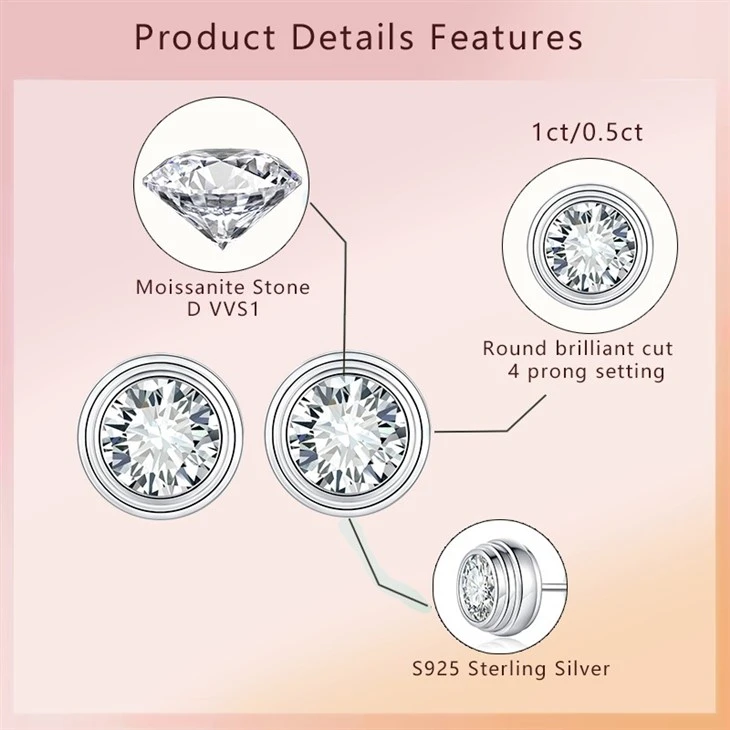
If you are looking for something more luxurious, platinum is a great option. Platinum is hypoallergenic and has a beautiful, lustrous appearance. At our store, we offer a wide range of earrings made from these hypoallergenic materials, such as Silver Earrings with Moissanite. The silver used in these earrings is of high quality and is often combined with hypoallergenic settings to ensure maximum comfort.
Avoiding Allergenic Metals
Some metals like nickel are known to cause allergic reactions in many people. Nickel is commonly used in inexpensive jewelry, so it's important to be cautious. When purchasing earrings, make sure to check the product description or ask the seller about the metal composition. If you have a known nickel allergy, look for earrings labeled as "nickel - free."
2. Keep Your Ears Clean
Maintaining good ear hygiene is essential when wearing earrings. Dirty ears can harbor bacteria, which can lead to infections, especially if the earlobes have been pierced.
Before Inserting Earrings
Before putting on your earrings, wash your hands thoroughly with soap and water. This helps prevent transferring bacteria from your hands to your ears. Clean your earlobes with a mild, alcohol - free cleanser or a saline solution. Gently wipe the area around the piercing with a cotton ball soaked in the solution.
Regular Cleaning of Earrings
Earrings can also accumulate dirt, oil, and bacteria over time. Clean your earrings regularly to keep them in good condition and prevent infections. For silver earrings, you can use a silver polishing cloth to remove tarnish. For other metals, a soft brush and a mild soap solution can be used to gently clean the earrings. Rinse them thoroughly and dry them completely before wearing. Our Silver and Moissanite Earrings require proper cleaning to maintain their shine and beauty.
3. Proper Insertion and Removal
Inserting and removing earrings correctly is important to avoid injury to your ears.
Insertion
When inserting new earrings, especially after a fresh piercing, be very gentle. Make sure the earrings are clean and the earlobe is well - lubricated. You can use a small amount of petroleum jelly or a specialized earlobe lubricant to ease the insertion process. If you are having trouble inserting the earrings, do not force them. It may be a sign that the piercing is not fully healed or that the earrings are too large.
Removal
To remove your earrings, hold the post firmly at the back of the earlobe and gently pull the earring forward. Avoid yanking or pulling too hard, as this can cause the earlobe to tear or stretch. If the earring seems stuck, try using a lubricant to loosen it.
4. Consider the Weight and Size of Earrings
The weight and size of your earrings can have an impact on your ear health.
Heavy Earrings
Wearing heavy earrings for extended periods can cause the earlobes to stretch or sag. This is especially true for large, dangling earrings. If you love wearing heavy earrings, try to limit the amount of time you wear them each day. You can also alternate between heavy and lightweight earrings to give your earlobes a break.
Large Earrings
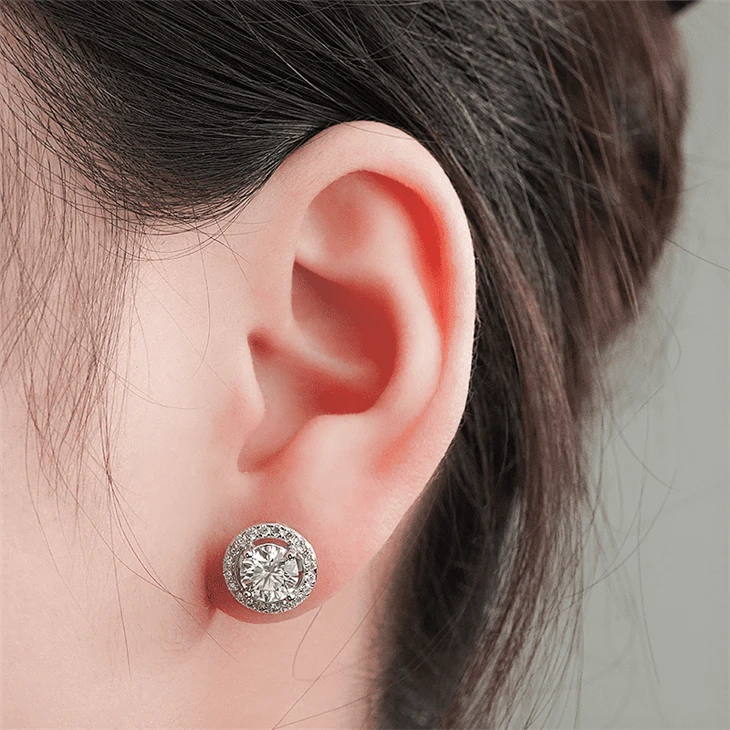
Large earrings can be a fashion statement, but they can also be a safety hazard. They may get caught on clothing, hair, or other objects, which can cause the earlobe to tear. Be careful when wearing large earrings in crowded places or when engaging in activities where they may be at risk of getting caught. Our 925 Sterling Silver Ladies Moissanite Earrings come in a variety of sizes, and we recommend choosing the size that is comfortable for you and suitable for your daily activities.
5. Be Cautious During Physical Activities
Physical activities can pose a risk to your ears when wearing earrings.
Sports and Exercise
During sports or exercise, it's best to remove your earrings to prevent injury. Earrings can get caught on equipment, clothing, or other people, which can cause serious damage to your ears. If you prefer to wear something small, consider wearing small stud earrings that are less likely to get caught.
Sleeping
It's also a good idea to remove your earrings before going to sleep. Tossing and turning in bed can cause the earrings to get caught on the pillow or your hair, leading to pain or injury.
6. Check for Loose Parts
Regularly inspect your earrings for any loose parts, such as stones, clasps, or posts. Loose parts can fall off and be swallowed, or they can cause injury to your ears.
Visual Inspection
Take a close look at your earrings every few days. Check if any stones are loose or if the clasps are secure. If you notice any issues, have the earrings repaired immediately. You can bring them to a professional jeweler or contact us for assistance.
Tightening Loose Parts
If you have the necessary tools and skills, you can try to tighten loose parts yourself. However, if you are unsure, it's best to leave it to the professionals to avoid causing further damage.
7. Follow After - Care Instructions for New Piercings
If you have recently had your ears pierced, it's crucial to follow the after - care instructions provided by your piercer.
Healing Time
New ear piercings typically take several weeks to heal. During this time, avoid changing your earrings too soon. Stick to the earrings provided by the piercer or use hypoallergenic earrings recommended for new piercings.
Cleaning and Maintenance
Clean the piercing regularly with a saline solution as instructed. Avoid touching the piercing with dirty hands and keep the area dry. Do not submerge the pierced ears in water, such as in a swimming pool or hot tub, until the piercing is fully healed.
In conclusion, wearing earrings can be a fun and stylish way to accessorize, but it's important to take the necessary safety precautions. By choosing the right materials, keeping your ears and earrings clean, inserting and removing them properly, considering the weight and size, being cautious during physical activities, checking for loose parts, and following after - care instructions for new piercings, you can enjoy your earrings without any health risks.
If you are interested in purchasing high - quality and safe earrings, we invite you to browse our collection. We are always happy to assist you with any questions you may have about our products. Whether you are a retailer looking to stock up on earrings or an individual looking for a beautiful piece for yourself or a gift, feel free to contact us for a purchase consultation. We look forward to working with you to find the perfect earrings that meet your style and safety needs.
References
- "Jewelry Safety and Care Guide" by the Jewelry Industry Council of America
- "Ear Piercing Aftercare" by the American Academy of Dermatology
- "Allergic Reactions to Jewelry Metals" by the National Institute of Health