

How can I tell if a none certified diamond has been damaged?
Dec 09, 2025
Leave a message
As a supplier of non-certified diamonds, I often encounter customers who are concerned about whether the diamonds they're considering have been damaged. Determining if a non-certified diamond has been damaged can be a challenging task, but with a keen eye and some basic knowledge, it's entirely possible. In this blog, I'll share some insights and techniques that can help you assess the condition of non-certified diamonds.
Visual Inspection
The first step in determining if a non-certified diamond has been damaged is a thorough visual inspection. Start by examining the diamond under good lighting conditions, preferably natural daylight or a bright, white light source. Use a jeweler's loupe or a magnifying glass with at least 10x magnification to get a closer look at the diamond's surface and internal features.
Surface Imperfections
Check the diamond's surface for any visible scratches, chips, or nicks. Scratches can occur during normal wear and tear or from improper handling. They may appear as fine lines on the diamond's surface and can vary in depth and length. Chips and nicks, on the other hand, are more significant damage and can be seen as small pieces missing from the diamond's edges or facets.
Look for any signs of abrasion or wear on the diamond's girdle, which is the narrow band that separates the crown (the top part of the diamond) from the pavilion (the bottom part). A worn or abraded girdle can indicate that the diamond has been subjected to rough handling or has come into contact with hard surfaces.
Internal Inclusions
In addition to surface imperfections, diamonds can also have internal inclusions, which are natural flaws or irregularities that occur during the diamond's formation. While inclusions are a normal part of a diamond's character, some inclusions can weaken the diamond's structure and make it more prone to damage.
Look for cracks, fractures, or feathers (thin, wispy inclusions) within the diamond. These types of inclusions can extend from the surface of the diamond into its interior and can compromise the diamond's integrity. Pay special attention to inclusions that are located near the diamond's edges or corners, as these areas are more vulnerable to damage.
Hardness Test
Diamonds are the hardest natural substance on Earth, with a rating of 10 on the Mohs scale of hardness. This means that they can only be scratched by other diamonds. One way to test if a non-certified diamond has been damaged is to perform a simple hardness test.
However, it's important to note that this test should only be performed by a professional jeweler or someone with experience handling diamonds, as it can cause damage to the diamond if not done correctly. To perform the hardness test, you'll need a known diamond or a diamond-tipped tool.
Gently rub the suspected diamond against the known diamond or the diamond-tipped tool. If the suspected diamond is a real diamond, it should not be scratched by the known diamond or the tool. If it is scratched, it may be a sign that the diamond is either a fake or has been damaged.
Thermal Conductivity Test
Another way to determine if a non-certified diamond has been damaged is to perform a thermal conductivity test. Diamonds are excellent conductors of heat, which means that they can quickly transfer heat away from the surface. This property can be used to distinguish real diamonds from fake diamonds or damaged diamonds.
To perform the thermal conductivity test, you'll need a thermal conductivity tester, which is a specialized tool that measures the rate at which heat is conducted through a material. Simply place the tester on the surface of the diamond and wait for the reading. A real diamond will have a high thermal conductivity reading, while a fake diamond or a damaged diamond will have a lower reading.
Professional Evaluation
While the above methods can provide some insight into the condition of a non-certified diamond, the most accurate way to determine if a diamond has been damaged is to have it evaluated by a professional gemologist or jeweler. A professional gemologist has the training, experience, and equipment necessary to perform a comprehensive evaluation of the diamond and can provide you with a detailed report on its condition.
When choosing a professional gemologist or jeweler, look for someone who is certified by a reputable organization, such as the Gemological Institute of America (GIA) or the American Gem Society (AGS). These organizations have strict standards and ethical guidelines that ensure the accuracy and integrity of their evaluations.
Conclusion
Determining if a non-certified diamond has been damaged requires a combination of visual inspection, hardness testing, thermal conductivity testing, and professional evaluation. By following these steps, you can make an informed decision about the condition of the diamond and whether it's a suitable choice for your needs.
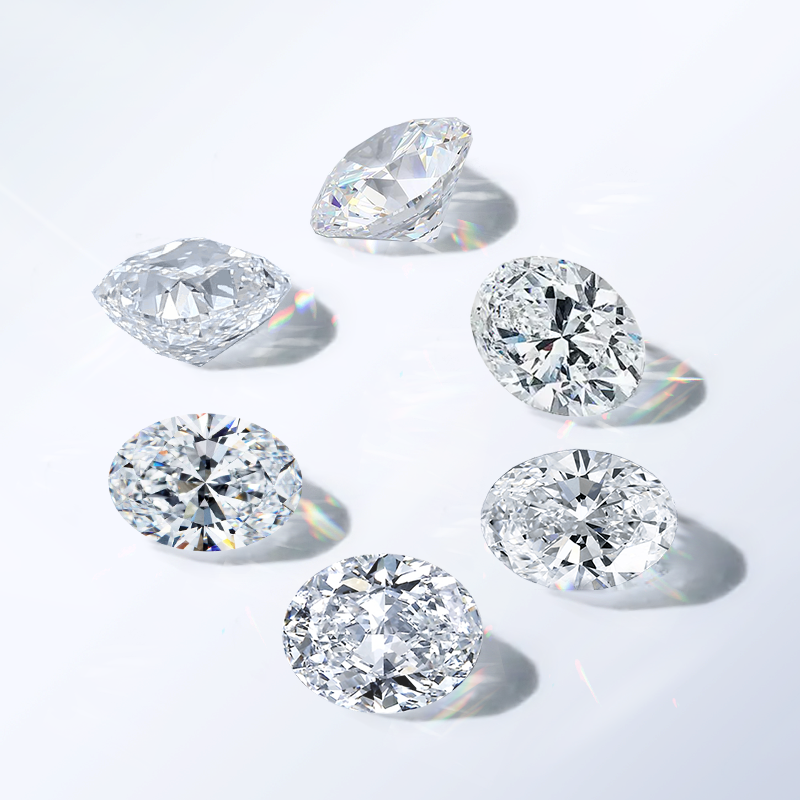
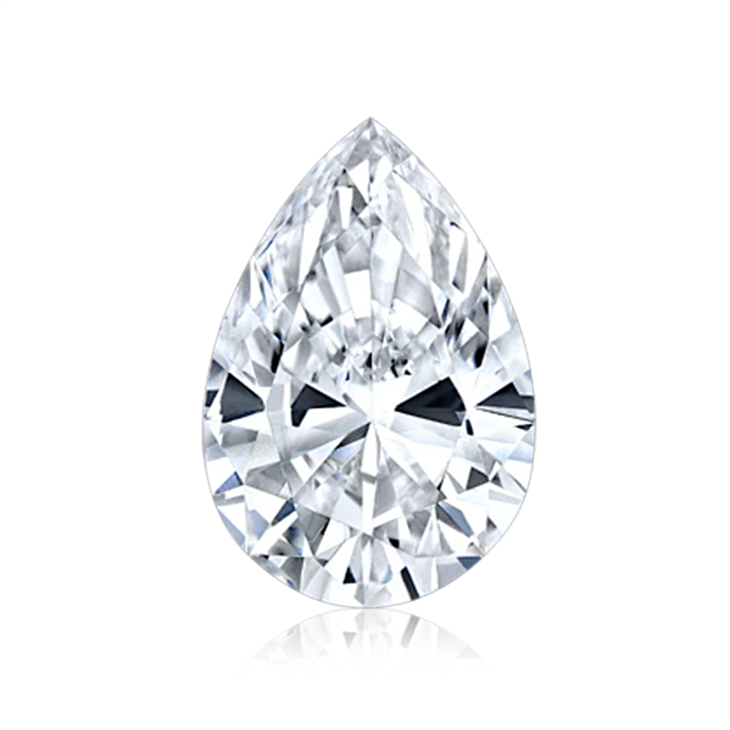
At our company, we offer a wide range of Lab Made Diamonds, including 1.5 Carat Lab Diamond and 2 Carat Pear Lab Grown Diamond. Our diamonds are carefully selected and inspected to ensure their quality and authenticity. If you're interested in purchasing a non-certified diamond or have any questions about our products, please don't hesitate to contact us for more information and to discuss your specific requirements. We look forward to working with you to find the perfect diamond for your needs.
References
- GIA (Gemological Institute of America). "Diamond Grading." https://www.gia.edu/diamond-grading
- AGS (American Gem Society). "Diamond Grading System." https://www.ags.org/diamond-grading-system/