

Does the color of moissanite affect its fluorescence?
May 20, 2025
Leave a message
Hey there! As a supplier of color moissanite, I've gotten a ton of questions about how the color of moissanite affects its fluorescence. It's a super interesting topic, and I'm stoked to share what I've learned.
First off, let's quickly go over what fluorescence is. Fluorescence in moissanite is when the stone emits a visible light when it's exposed to ultraviolet (UV) light. You've probably seen this in action at jewelry stores under those special lights. It can make the moissanite look kind of magical, with a soft glow that's pretty eye - catching.
Now, let's dig into how color plays a role. Moissanite comes in a bunch of different colors, from the popular Pink Moissanite to the more unique Dark Grey Moissanite and Dark Green Moissanite. Each color has its own story when it comes to fluorescence.
Let's start with the clear or near - clear moissanite, which is similar to diamonds in appearance. These tend to have a range of fluorescence levels. Some might have a very faint blue fluorescence, which can actually enhance the whiteness of the stone under UV light. It gives a cool, almost ethereal look. But in normal daylight, you usually won't notice this fluorescence at all. It's like a little hidden surprise that only comes out under the right conditions.
When it comes to colored moissanites, things get a bit more complex. Take Pink Moissanite for example. The pink color in moissanite is due to certain trace elements and the way the stone is formed. The fluorescence in pink moissanite can vary. Sometimes, it might have a faint pinkish - orange fluorescence under UV light. This can either complement the existing pink color, making it look even more vibrant, or it can create an interesting contrast. It really depends on the intensity of both the color and the fluorescence.
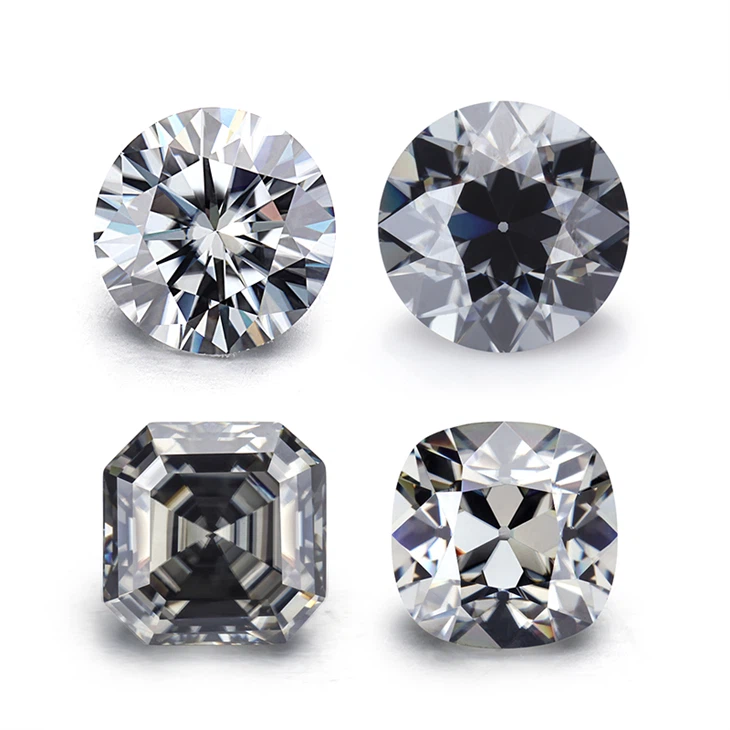

Dark Grey Moissanite is another interesting case. Dark grey moissanite has a very deep, rich color that can almost look black in some lighting. Its fluorescence is often less obvious compared to lighter - colored moissanites. But when you do see it, it can be a beautiful surprise. Sometimes, it might have a faint green or blue fluorescence that peeks through the darkness of the stone. It's like a little hidden light source within the moissanite.
Dark Green Moissanite is also quite unique. The green color is a result of specific chemical impurities during the formation process. Its fluorescence can be a different shade of green or even a yellowish - green. This can either blend in with the existing green color, making it look more uniform, or it can stand out and create a two - toned effect.
One of the factors that influence the relationship between color and fluorescence is the chemical composition of the moissanite. Different colors are caused by different trace elements, and these elements can also affect how the stone fluoresces. For example, certain elements might absorb more UV light and then re - emit it as visible light, which is what causes the fluorescence.
Another thing to consider is the cut of the moissanite. A well - cut moissanite can enhance the visibility of its fluorescence. If the facets are cut at the right angles, they can help to reflect and disperse the fluorescent light, making it more noticeable. On the other hand, a poorly cut moissanite might hide the fluorescence, even if it's present.
The intensity of the color also matters. A very deeply colored moissanite might absorb more of the UV light that causes fluorescence, making it less visible. In contrast, a lighter - colored moissanite might allow more UV light to penetrate and cause a more obvious fluorescence.
Now, you might be wondering if the fluorescence affects the value of the moissanite. Well, it depends on personal preference. Some people really love the look of a moissanite with strong fluorescence, as it adds an extra bit of sparkle and uniqueness. Others prefer a moissanite that doesn't show any fluorescence at all, as they want a more classic, consistent look.
In the market, there isn't a hard - and - fast rule about how fluorescence affects the price. It's more about what the buyer is looking for. If you're into that magical, glowing look, then a moissanite with strong fluorescence might be worth more to you. But if you're all about a simple, clean look, then you might not care as much about the fluorescence.
As a supplier, I've seen a wide range of customer preferences. Some customers specifically ask for moissanite with high - intensity fluorescence, while others are more focused on the color and clarity of the stone. That's why we offer a variety of options, from different colors to different fluorescence levels.
If you're thinking about buying color moissanite, it's a good idea to see the stone under both normal and UV light. This way, you can get a full understanding of how the color and fluorescence interact. You can also ask your supplier about the specific fluorescence characteristics of the moissanite you're interested in.
So, to sum it up, the color of moissanite definitely affects its fluorescence. Different colors can have different fluorescence colors and intensities, and it all comes down to the chemical composition, cut, and color intensity of the stone. Whether you're a fan of the fluorescent glow or prefer a more subdued look, there's a color moissanite out there for you.
If you're interested in exploring our range of color moissanite, I'd love to have a chat with you. We can discuss your preferences, answer any questions you might have, and help you find the perfect moissanite for your needs. Just reach out, and let's start the conversation!
References
- Gemological Institute of America research on moissanite properties
- Industry reports on colored gemstone fluorescence