

Do none certified diamonds have inclusions that are more visible?
Dec 16, 2025
Leave a message
So, you're probably wondering, "Do non - certified diamonds have inclusions that are more visible?" Well, let me tell you, as a non - certified diamond supplier, I've got a lot to say on this topic.
First off, let's talk about what inclusions are. Inclusions are tiny imperfections inside a diamond. They can be things like minerals, cracks, or even other tiny diamonds trapped inside the big one. Every diamond has them to some degree, it's just a natural part of how diamonds form. Whether it's a mined diamond or a lab - grown one, inclusions are pretty much inevitable.
Now, the big question: are inclusions in non - certified diamonds more visible? The short answer is no, not necessarily. Certification doesn't change the actual physical characteristics of a diamond. A diamond's inclusions are determined by its formation process, not by whether it has a piece of paper saying it's been inspected.
Certified diamonds go through a grading process by organizations like the Gemological Institute of America (GIA). These organizations look at the 4Cs of diamonds: carat weight, color, clarity, and cut. The clarity grade is where they assess the inclusions. But just because a diamond is non - certified doesn't mean it has worse inclusions.
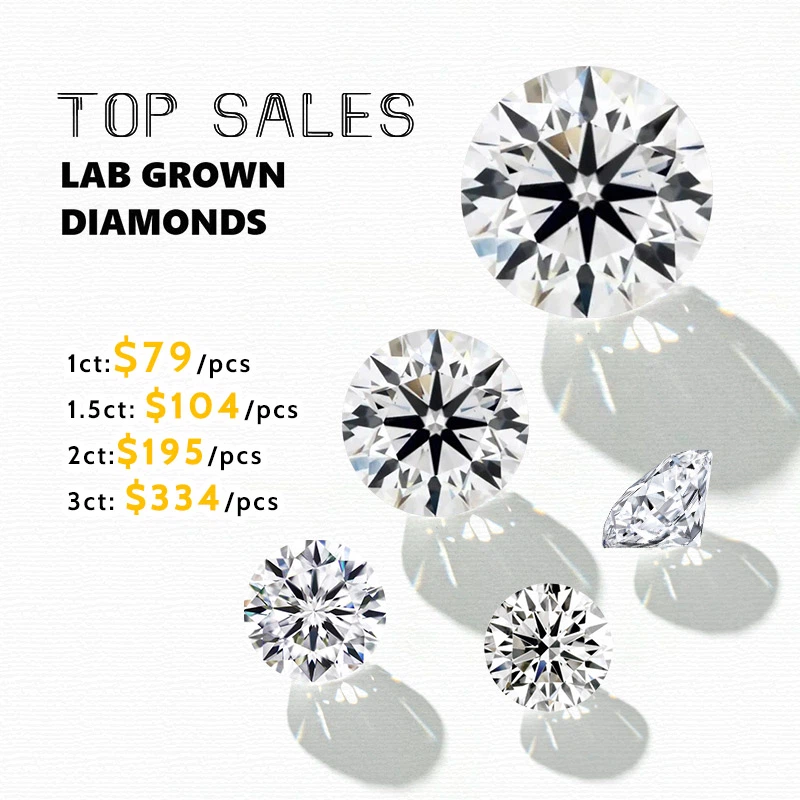
In fact, a lot of non - certified diamonds can be just as clear as certified ones. Many of the lab - grown diamonds I supply are of excellent quality. For example, the Lab Grown Radiant Cut Diamond we have in stock often has very fine inclusions that are hardly visible to the naked eye. These lab - grown diamonds are created in a controlled environment, which means we can have a better idea of their quality and inclusion levels right from the start.
The visibility of inclusions also depends on how the diamond is cut. A well - cut diamond can actually hide inclusions quite effectively. Take the 1 Carat Diamond Lab Grown for instance. The right cut can make it look sparkly and clear, even if there are some inclusions present.
Some people might be hesitant about non - certified diamonds because they think it's a risk. But let me ask you this: if you're buying a diamond to wear and enjoy, does the certificate really matter that much? As long as the diamond looks great and meets your expectations, the lack of a certificate shouldn't be a deal - breaker.
Another factor to consider is price. Certified diamonds often come with a higher price tag because of the cost of grading and certification. Non - certified diamonds can be a more affordable option without sacrificing too much in terms of quality. You can get a beautiful Oval Cut Lab Grown Diamond at a great price, and chances are, most people won't even be able to tell the difference between it and a certified one just by looking at it.
In terms of visibility of inclusions, it also depends on the type of setting and how the diamond will be worn. If the diamond is going to be set in a piece of jewelry where most of it is covered, the inclusions are going to be even less noticeable. And let's face it, when you're wearing a diamond, most people are looking at the sparkle and the overall look, not inspecting it for inclusions under a microscope.
I've seen some pretty amazing non - certified diamonds over the years. Sometimes, people assume that a non - certified diamond is low - quality or has obvious inclusions, but that's just a myth. I always make sure to provide my customers with as much information as possible about the diamonds I'm selling. I tell them about the inclusions, where the diamond comes from (whether it's mined or lab - grown), and how it was cut.
Of course, there are some extremely picky buyers who want every detail and a certified guarantee. And that's okay. But for the majority of people who are just looking for a beautiful diamond to wear, a non - certified diamond can be a great choice.

Now, I know you might still have some questions. Maybe you're wondering about the long - term value of a non - certified diamond. Well, the resale value of a diamond is more about its quality, size, and overall demand than whether it has a certificate. A beautiful, high - quality non - certified diamond can still hold its value if you ever decide to sell it.
If you're interested in exploring the world of non - certified diamonds, I'd love to chat with you. Whether you're looking for that perfect engagement ring or just a nice piece of jewelry for yourself, I can help you find the right diamond. I have a wide range of options in terms of size, cut, and style. So, don't be afraid to reach out and start a conversation about purchasing. Let's find the ideal non - certified diamond that fits your needs and budget.
In conclusion, non - certified diamonds don't necessarily have more visible inclusions. Their quality and the visibility of inclusions are based on natural and environmental factors during formation and the cutting process, not on certification. So, give non - certified diamonds a chance. You might be surprised at what you find.
References:
- General knowledge of diamond formation and grading from the diamond industry.
- Personal experience as a non - certified diamond supplier.