

Can lab sapphires be used in engagement rings?
Aug 11, 2025
Leave a message
Can lab sapphires be used in engagement rings?
Engagement rings are more than just pieces of jewelry; they are symbols of love, commitment, and the promise of a shared future. Traditionally, diamonds have been the go - to choice for engagement rings. However, in recent years, lab - grown sapphires have emerged as a compelling alternative. As a lab sapphire supplier, I've witnessed the growing interest in these beautiful gemstones for engagement ring settings. In this blog, I'll explore whether lab sapphires can indeed be used in engagement rings, looking at their characteristics, advantages, and some considerations.
Characteristics of Lab Sapphires
Lab sapphires are created in a controlled laboratory environment using advanced technological processes that mimic the natural conditions under which sapphires are formed in the earth. Chemically and physically, they are nearly identical to natural sapphires.
Hardness: Sapphires rank 9 on the Mohs scale of hardness, just below diamonds which are at 10. This high level of hardness makes them extremely durable and resistant to scratches. For an engagement ring, which is likely to be worn daily and exposed to various activities, durability is of utmost importance. A sapphire - set engagement ring can withstand the rigors of everyday life, maintaining its beauty for a long time.
Color Variety: One of the most appealing aspects of sapphires is their wide range of colors. While the classic blue sapphire is well - known, sapphires can also be found in shades of pink, yellow, green, orange, and even color - changing varieties like Lab Grown Alexandrite. This allows for a high degree of customization in engagement ring design. Couples can choose a color that holds special meaning for them, whether it's the color of their favorite flower or a hue that represents a shared memory.
Clarity: Lab sapphires often have excellent clarity. Since they are grown in a controlled environment, the formation of internal inclusions can be minimized. This results in gemstones that are visually stunning, with a clear and bright appearance that adds to the overall allure of the engagement ring.
Advantages of Using Lab Sapphires in Engagement Rings
Ethical and Sustainable: In today's world, many consumers are becoming more conscious about the ethical and environmental implications of their purchases. The mining of natural gemstones can sometimes be associated with issues such as child labor, environmental degradation, and human rights violations. Lab sapphires, on the other hand, are created in a laboratory setting, eliminating these concerns. They offer a guilt - free option for couples who want an engagement ring that aligns with their values.
Cost - Effective: Natural sapphires, especially those of high quality and rare colors, can be quite expensive. Lab sapphires, however, are generally more affordable. This means that couples can get a larger or higher - quality sapphire for their engagement ring within a more reasonable budget. They can also allocate more funds towards other aspects of the ring, such as a unique setting or high - quality metal.
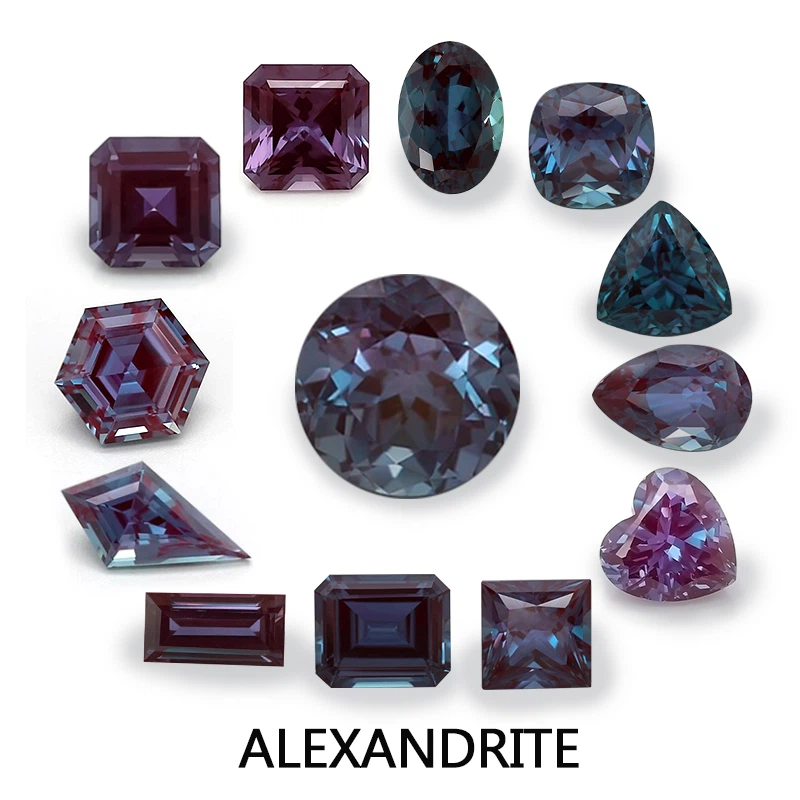

Consistent Quality: As a lab sapphire supplier, I can ensure a consistent level of quality in the gemstones I provide. Each lab - grown sapphire is carefully monitored during the growth process, resulting in gemstones that meet strict quality standards. This consistency is beneficial for jewelers and consumers alike, as it allows for more accurate planning and design of the engagement ring.
Considerations When Using Lab Sapphires in Engagement Rings
Perception: Despite the many advantages of lab sapphires, there is still a perception among some people that natural gemstones are more valuable or "real." However, as the technology behind lab - grown gemstones continues to improve and awareness grows, this perception is gradually changing. It's important for couples to be confident in their choice and understand that lab sapphires are just as beautiful and durable as their natural counterparts.
Long - Term Value: While lab sapphires are a great choice for an engagement ring, they may not have the same long - term investment value as some natural gemstones. However, an engagement ring is primarily a symbol of love and commitment, and for most couples, the emotional value far outweighs any potential financial return.
Designing an Engagement Ring with Lab Sapphires
When designing an engagement ring with a lab sapphire, there are several options to consider. The center stone can be a single large sapphire, creating a classic and elegant look. Alternatively, multiple smaller sapphires can be used in a cluster setting, adding a touch of sparkle and uniqueness.
The choice of metal for the ring setting also plays an important role. Platinum, white gold, and yellow gold are all popular choices. Platinum is known for its durability and strength, making it a great option for a ring that will be worn daily. White gold offers a similar look to platinum at a lower cost, while yellow gold adds a warm and traditional touch.
In addition to the sapphire and the metal, other gemstones can be incorporated into the design for added visual interest. Diamonds, for example, can be used as accents around the sapphire, enhancing its beauty and adding a touch of luxury.
Conclusion
In conclusion, lab sapphires can absolutely be used in engagement rings. Their durability, wide range of colors, ethical and sustainable nature, and cost - effectiveness make them an excellent choice for modern couples. As a lab sapphire supplier, I'm excited to see more and more couples choosing lab sapphires for their engagement rings. Whether you're looking for a classic blue sapphire or a unique color - changing variety like Lab Grown Alexandrite, there's a lab sapphire out there that's perfect for your special ring.
If you're interested in learning more about lab sapphires for your engagement ring or would like to discuss potential purchase options, I'd love to hear from you. Feel free to reach out, and we can start the conversation about creating the perfect engagement ring together.
References
- Nassau, K. (1980). Gems Made by Man. Mineralogical Society of America.
- Shigley, J. E., & Fritsch, E. (2001). Gems and Gemology: Laboratory - Grown Gemstones. Gemological Institute of America.