

Are lab grown diamonds affected by heat and chemicals?
Jul 16, 2025
Leave a message
Hey there! As a supplier of lab grown diamonds, I often get asked a bunch of questions about these shiny beauties. One query that pops up quite frequently is whether lab grown diamonds are affected by heat and chemicals. Well, let's dive right into it and find out!
First off, let's understand what lab grown diamonds are. These diamonds are created in a lab using advanced technological processes that mimic the natural conditions under which diamonds form deep within the Earth. They have the same physical, chemical, and optical properties as natural diamonds. That's pretty cool, right?
Now, let's talk about heat. In general, lab grown diamonds are quite resistant to heat, just like their natural counterparts. They have a high melting point, around 3550°C to 4000°C. That means you'd need some seriously intense heat to start causing any real damage. In most everyday situations, you don't have to worry about your lab grown diamond getting damaged by normal heat sources. For example, if you're out in the sun on a hot day or near a regular household heater, your diamond will be just fine.

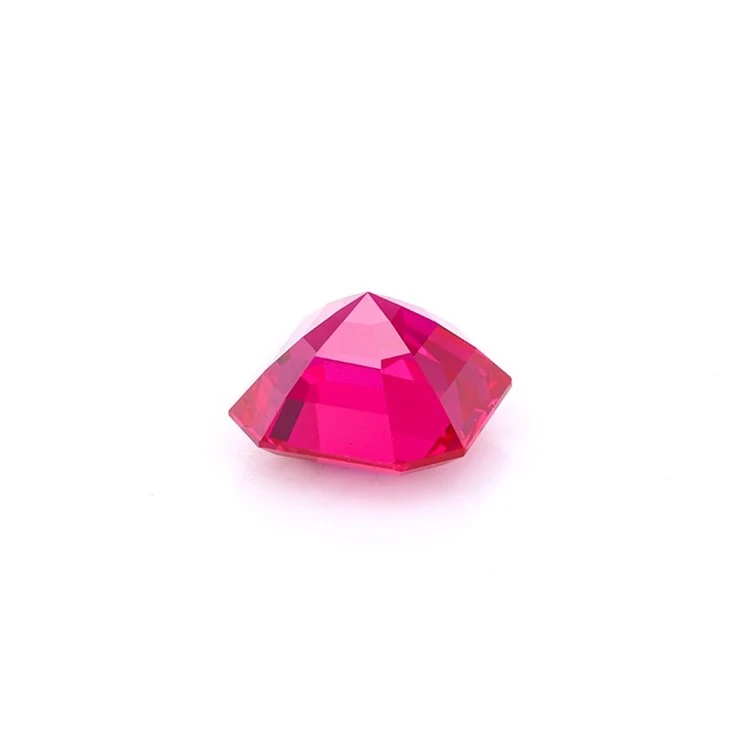
However, extremely high heat can have an impact. If you expose a lab grown diamond to a torch or a welding flame, things can get a bit dicey. At these high temperatures, the carbon atoms in the diamond can react with oxygen in the air. This can lead to the diamond burning or turning black. So, it's a good idea to keep your lab grown diamond away from such extreme heat sources.
Another thing to note is that sudden temperature changes can also be a problem. If you go from a very cold environment to a very hot one quickly, it can cause thermal shock. This might lead to small cracks or fractures in the diamond. So, be careful when you're moving your diamond from a cold freezer (although I can't imagine why you'd put it there!) to a warm room.
Now, let's move on to chemicals. Lab grown diamonds are generally very resistant to most chemicals. They are made of carbon, and carbon is a pretty stable element. Most common household chemicals, like soap, water, and mild detergents, won't harm your lab grown diamond at all. In fact, you can clean your diamond using a mixture of warm water and a little bit of mild dish soap. Just soak the diamond for a few minutes, then gently scrub it with a soft brush, and rinse it off. It'll come out looking as good as new!
But there are some chemicals that you need to watch out for. Strong acids and bases can be a problem. For example, hydrofluoric acid can react with the diamond and cause damage. Also, some industrial chemicals used in laboratories or factories can have a negative impact on the diamond's surface. If you work in an environment where you're exposed to such chemicals, it's a good idea to take off your lab grown diamond jewelry before you start working.
Chlorine is another chemical to be cautious about. Chlorine is commonly found in swimming pools and cleaning products. While a quick dip in a chlorinated pool probably won't do much harm, long - term exposure can cause the diamond to become dull or even develop small pits on its surface. So, if you're planning to go for a long swim in a pool or do some heavy - duty cleaning with chlorine - based products, it's best to leave your diamond jewelry at home.
Now, as a lab grown diamond supplier, I offer a wide range of beautiful lab grown diamonds. If you're into unique colored diamonds, you might be interested in our Lab Grown Pigeon Blood Ruby or Light Red Lab Grown Ruby. These are truly stunning pieces that are sure to turn heads. And if you're looking for a larger diamond, our 3 Carat Lab Grown Radiant Diamond is a real showstopper.
We take great pride in providing high - quality lab grown diamonds. Our diamonds are carefully crafted to ensure they meet the highest standards of quality and beauty. Whether you're a jeweler looking to add some lab grown diamonds to your collection or an individual looking for a special piece of jewelry, we've got you covered.
If you're interested in purchasing lab grown diamonds, I'd love to have a chat with you. We can discuss your specific needs, preferences, and budget. You can reach out to start a conversation about procurement. I'm always here to answer any questions you might have and help you find the perfect lab grown diamond for you.
In conclusion, while lab grown diamonds are generally quite resistant to heat and chemicals in normal everyday situations, it's important to be aware of the potential risks associated with extreme heat and certain chemicals. By taking a few simple precautions, you can keep your lab grown diamond looking beautiful for a long time.
References
- "The Properties of Diamonds" by Gemological Institute of America
- "Diamond Chemistry and Physics" by various scientific research papers on diamond composition and reactions.